Planning for the Plan to Fail: A Case Against the 90-Day Content Calendar
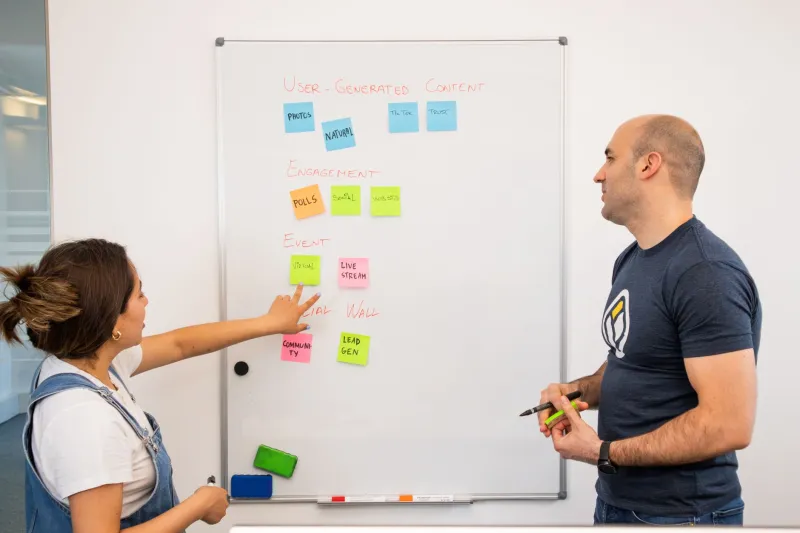
Walk into any marketing department in the United States in the weeks before a quarter turns, and you will find the same ritual underway. Spreadsheets open, stakeholders assembled, themes mapped across thirteen weeks of posting slots. The 90-day content calendar has become sacrosanct — a artifact of an era when social platforms moved at a pace humans could anticipate.
That era is over. And the quarterly planning model, applied without modification, is quietly working against the very teams it was designed to organize.
The Illusion of Predictability
The appeal of the quarterly calendar is understandable. Budgets are approved in quarterly cycles. Leadership wants visibility into what the team will produce. Content operations demand lead time for design, review, and legal sign-off.
But the operating environment those calendars describe no longer exists. Meta adjusts its recommendation algorithm with little warning. A trending audio format can reshape reach overnight. A single cultural moment — a sports upset, a viral product launch, an unexpected news cycle — can render a planned week of content tone-deaf or invisible. Teams that have committed every posting slot through the end of the quarter have no structural room to respond. They either ignore the moment or improvise under pressure, and improvisation at scale rarely goes well.
The deeper problem is that a fully committed calendar converts planning into a commitment device rather than a thinking tool. Once the quarter is mapped, the plan becomes the objective. Teams optimize for filling slots rather than achieving outcomes, and the calendar silently outranks the strategy it was supposed to serve.
What Rigid Planning Actually Costs
The costs are rarely captured in performance dashboards because they show up as absences. The reactive post that never got made. The trend the brand joined three days late, after the moment had peaked. The campaign paused awkwardly while legal reviewed language that suddenly read differently in a changed news environment.
There is also an internal cost. Teams working twelve weeks ahead of publication are making decisions with the least information they will ever have about that content. A caption drafted in October for a January post reflects assumptions, not evidence. Meanwhile, the analyst watching real-time performance data has no formal channel to influence work already locked in the queue. The calendar, in effect, institutionalizes a lag between learning and action.
A Hybrid Framework: Anchor and Slack
The answer is not to abandon planning. It is to plan differently — to build a structure that assumes change rather than resisting it. A practical framework looks like this:
1. Anchor on evergreen pillars, not dates. Identify three to five strategic content pillars tied to business objectives — thought leadership, product education, customer proof, category commentary. Plan content against these pillars, but only lock specific publishing dates two to three weeks out. Everything beyond that horizon stays at the pillar level.
2. Reserve explicit reactive capacity. Commit to leaving 20 to 30 percent of your posting slots unassigned at the start of each month. This is not idle time; it is strategic inventory. Teams that treat unassigned capacity as slack to be filled with evergreen backlog will find their reactive muscle atrophies just the same.
3. Define response triggers in advance. Reactive does not mean random. Establish clear criteria for when the team pivots: an algorithm announcement from a major platform, a trending format with strong category relevance, or a cultural moment the brand can join authentically. Written triggers remove the guesswork and protect junior team members from having to make judgment calls under pressure.
4. Run a lightweight weekly re-planning ritual. Replace the quarterly mega-meeting as the sole planning forum with a 30-minute weekly session. Review performance data, adjust the next two weeks, and release or hold the reactive capacity accordingly. The quarterly review remains — but as a strategic checkpoint, not a production schedule.
5. Measure the calendar, not just the content. Track two new metrics alongside engagement: average lead time from decision to publication, and the share of top-performing posts that originated outside the original plan. If your best content increasingly comes from the unplanned slice, that is not chaos. That is signal.
Making the Case Internally
Leadership resistance is the most common obstacle. Executives trained on quarterly plans may read reserved capacity as a lack of ambition. Frame it in their language: a hedge. No CFO would approve a budget with zero contingency; no marketing plan should have zero responsiveness either. Position the reactive slice as risk management for brand relevance, and document the moments the team caught — or missed — each quarter. Nothing persuades a skeptical executive like a missed trend with a named dollar figure attached.
The Quarter Is Still Useful. Just Not as a Cage.
Quarterly thinking remains valuable for budgeting, headcount, and strategic direction. The error is letting that cadence dictate publishing decisions at the tactical level, where platforms and audiences move on entirely different clocks.
The strongest social teams in the US market right now share a common trait: they are disciplined about strategy and loose about execution. Their calendars are frameworks, not contracts. Build yours the same way — anchored enough to stay coherent, flexible enough to move when the moment demands it.


