Sixty Minutes of Silence: The Containment Window That Decides Whether a Social Crisis Spikes or Fizzles

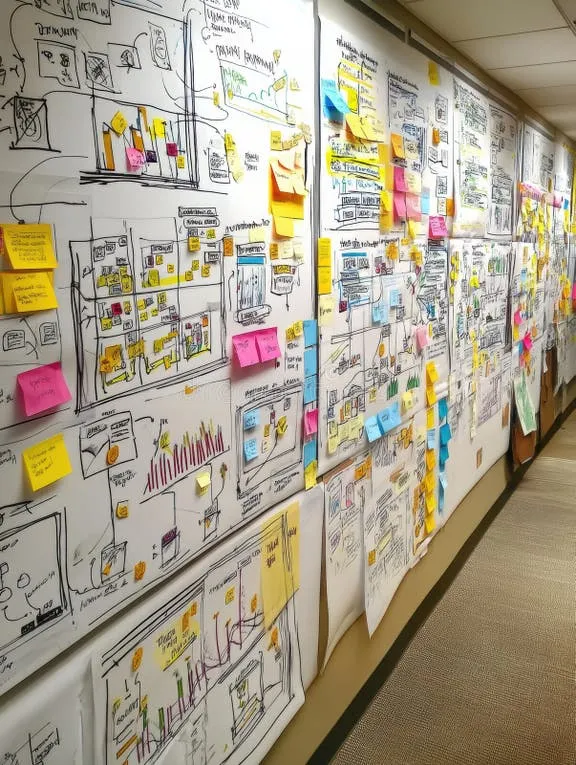
Photo: crisis meeting marketing team war room monitors, via images.stockcake.com
A brand crisis rarely announces itself with a press release. It starts as a screenshot in a Slack channel, a spike in mentions, or a customer service thread that has suddenly gone vertical. By the time an executive team convenes, the window in which the outcome was actually determined has usually already closed.
That window—the first hour—is where marketing teams either contain a problem or hand it momentum. What follows is a minute-by-minute operating procedure for that opening stretch, built for US-based marketing organizations of any size.
Minutes 0–10: Verify Before You React
The most expensive mistake in crisis response is treating an unverified claim as a confirmed fact. Assign one person—typically the social media manager or community lead—to establish three things: What exactly happened? Is it true, partially true, or a misunderstanding? And where is the conversation concentrated?
Screenshot the original post and capture timestamps. Not only does this create a record, it protects your team from chasing a doctored image or an impersonator account. Roughly one in five brand 'scandals' that flare up on X or TikTok are built on distorted or out-of-context material, and responding to a fabrication as though it were fact only validates it.
Minutes 10–20: Halt All Scheduled Publishing
This is the step teams forget, and it is the one that produces the most damaging screenshots. A cheerful product promotion queued for 10:30 a.m. will run through a crisis at 10:31 a.m., and the internet will do the rest.
Pause everything: scheduled posts across every platform, automated email sends tied to social campaigns, paid social ads, and any influencer partnerships with live content calendars. Assign this explicitly to a named person. 'Someone should probably pause the scheduler' is not an operational instruction.
Minutes 20–35: Convene a Decision Group of Three
Crisis response fails at scale. A fifteen-person emergency meeting produces fifteen opinions and zero decisions. Instead, convene a small group with three roles:
- The decision-maker, who can commit the brand to a public statement—usually the marketing director or head of communications.
- The fact-gatherer, who maintains the verified timeline and liaises with legal, product, or customer support.
- The publisher, who controls the channels and drafts for approval.
For regulated industries—finance, healthcare, insurance—include a compliance or legal reviewer from the start, not after the statement is drafted. Waiting on legal sign-off that was never requested until minute forty is how a two-hour issue becomes a two-day one.
Minutes 35–50: Draft the Holding Statement
A holding statement is not an explanation. It is a public acknowledgment that buys your team time to investigate. Effective ones share four characteristics:
- They acknowledge specifically. "We're aware of reports regarding [issue]" beats a vague "we're looking into it."
- They commit to a next update. A timestamp—"by 3 p.m. ET"—converts anxiety into expectation.
- They avoid speculation. No root-cause guesses, no blame, no minimization.
- They match the channel. A comment on the original post, plus a pinned post on the affected platform, is usually sufficient. Do not issue a company-wide email for a single-platform incident.
Draft this in a shared document with edit history. If the situation escalates, regulators and journalists will ask what you said and when.
Minutes 50–60: Publish, Then Listen
Post the holding statement, then shift the team into monitoring mode. Assign someone to track sentiment and volume at fifteen-minute intervals. The key question is no longer "what happened?" but "is this spreading?"
If mentions plateau within two hours, you likely contained it. If they accelerate, escalate to your broader incident process—but you will do so from a position of having responded within the hour, which materially changes how media and customers judge the follow-up.
Build the Muscle Before You Need It
None of this works if it is improvised. Run a quarterly tabletop exercise: give your team a fictional crisis at 9 a.m. and measure how long the pause takes, who convenes, and how fast a holding statement clears. The teams that perform well in real incidents are almost always the ones that rehearsed the boring parts—the notification chain, the scheduler passwords, the legal contacts—in advance.
The first hour will feel chaotic regardless. The goal is not calm; it is containment.